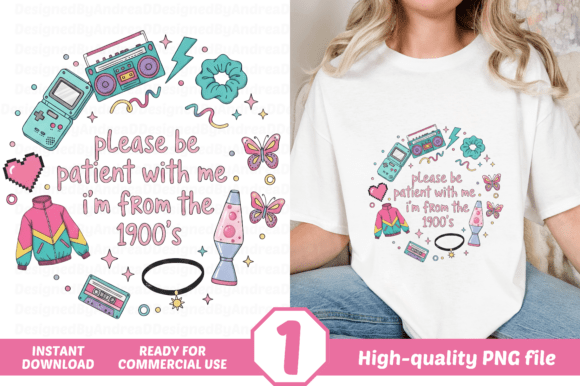
Evaluating Retro Design Assets for Creative Projects
In the evolving landscape of digital creativity and physical merchandise, Retro Design has emerged as a persistent and influential aesthetic. Whether for independent artists, small business owners, or hobbyists, understanding the utility and application of retro-themed assets is essential for making informed decisions about project direction. This evaluation focuses on the practical application of high-resolution PNG files intended for sublimation, printing, and various decorative uses, helping you determine if this style aligns with your specific goals.
Defining the Retro Aesthetic in Modern Contexts
At its core, Retro Design refers to a stylistic approach that consciously imitates or draws inspiration from trends, colors, and typography of the past, typically ranging from the 1950s through the 1980s. In the context of digital assets, such as a 300 DPI PNG file, this aesthetic is characterized by specific visual markers: muted or vibrant color palettes depending on the era referenced, distressed textures, vintage typography, and nostalgic imagery.
When evaluating a design file labeled as "Retro," it is important to distinguish between a mere filter applied to a modern image and a thoughtfully constructed composition that captures the essence of a bygone era. High-quality retro designs often incorporate elements like sunbursts, checkerboard patterns, grainy overlays, and hand-drawn illustrations that evoke a sense of history and authenticity. The value of these designs lies not just in their appearance, but in their ability to trigger an emotional connection with an audience that appreciates nostalgia.
Practical Applications and Versatility
The primary reason individuals seek out dedicated Sublimation Design files is versatility. A single high-resolution PNG offers a wide range of applications, making it a cost-effective resource for expanding a creative portfolio or product line. Because the file provided is at 300 DPI (dots per inch), it meets the industry standard for professional printing, ensuring that the output remains crisp and clear regardless of the medium.
Consider the following common use cases where retro designs excel:
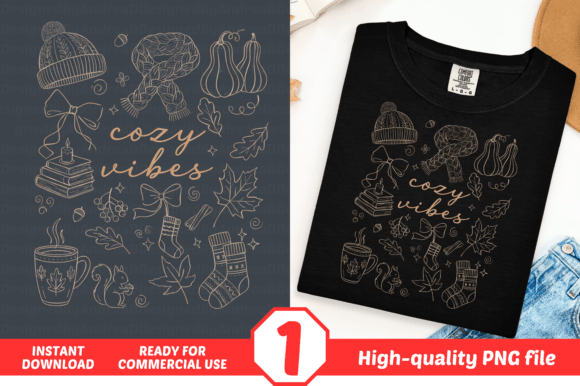
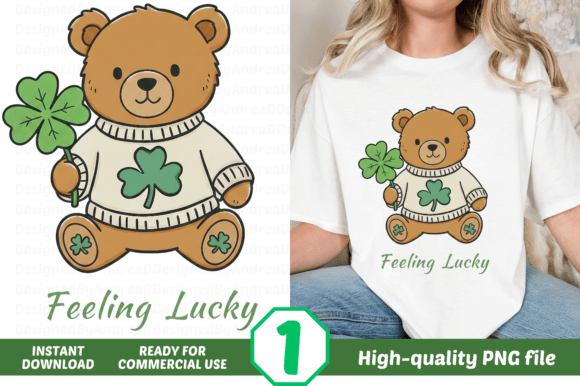
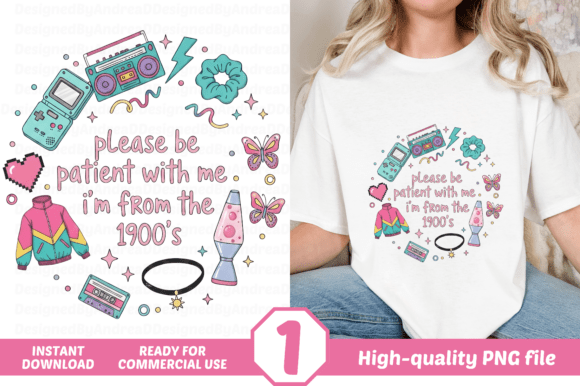
- Apparel Printing: T-shirts, hoodies, and tote bags are perhaps the most common canvas for retro art. The style resonates strongly in streetwear and casual fashion, where vintage band tees and old-school graphics are perennial favorites.
- Sticker Production: The demand for vinyl stickers featuring nostalgic quotes and imagery is significant. A scalable PNG allows for resizing without loss of quality, essential for creating varied sticker dimensions.
- Home Decor: From framed illustrations to wall decorations, retro designs add character to interior spaces. They are particularly effective in rooms styled with mid-century modern or eclectic decor.
- Paper Goods: Greeting cards, scrapbooks, and invitations benefit from the warm, inviting feel of vintage aesthetics. These designs can elevate simple paper products into keepsakes.
The ability to easily re-size the graphic using different software platforms means that one purchase can serve multiple purposes. For a business owner, this scalability reduces the need to commission unique artwork for every new product type, streamlining the production workflow.
Benefits of Using Pre-Made Digital Assets
Opting for a pre-made Retro Design PNG offers several distinct advantages over creating artwork from scratch or hiring a custom illustrator. The most immediate benefit is efficiency. Sourcing a ready-to-use file eliminates the time-consuming process of sketching, digitizing, and refining concepts. For entrepreneurs looking to launch a product line quickly, this speed to market is a critical factor.
Furthermore, professional sublimation designs are often optimized specifically for the printing process. This includes considerations for color separation and transparency. A well-prepared PNG will have a transparent background, allowing the design to be placed on garments or substrates of any color without an unsightly white box surrounding the image. This technical readiness ensures that the final product looks professional, which is vital for maintaining brand reputation.
From a financial perspective, purchasing individual designs or bundles is generally more affordable than custom commissions. This lower barrier to entry allows hobbyists and startups to test different styles and niches without significant upfront investment. It enables a strategy of diversification, where a creator can offer a wide array of retro-themed items—from 70s disco vibes to 80s neon aesthetics—to see what resonates best with their customer base.
Considerations and Tradeoffs
While the benefits are substantial, there are tradeoffs and considerations to weigh before integrating these assets into your workflow. The most significant consideration is exclusivity. When you purchase a standard download file, you are typically acquiring a license to use the design, but not exclusive ownership of the artwork itself. This means other creators may purchase and use the same Retro Design for their own products.
In highly saturated markets, such as print-on-demand t-shirts, this lack of exclusivity can lead to market saturation where identical designs appear across multiple stores. To mitigate this, successful creators often modify the base design. This might involve combining the retro PNG with additional text, layering it with other graphics, or altering the color palette to create a unique variation. Those unwilling to invest time in customization may find their products blending into the background rather than standing out.
Additionally, while 300 DPI is the standard for print, the physical limitations of the printing method must be considered. Sublimation, for instance, works best on polyester-based materials or coated substrates. Using a high-quality retro design on a 100% cotton shirt via sublimation will result in a faded, vintage look that may wash out over time, whereas direct-to-garment (DTG) or screen printing might be better alternatives for natural fibers. Understanding the interplay between the digital file and the physical manufacturing process is crucial for meeting customer expectations regarding durability and vibrancy.
When Retro Design Is the Strongest Fit
This aesthetic is particularly powerful when targeting demographics that value nostalgia or when aiming to convey a sense of timelessness. If your brand identity is built around community, warmth, or a rejection of ultra-modern minimalism, Retro Design is a strong strategic fit. It performs exceptionally well in niche markets such as vintage car enthusiasts, music lovers, and those interested in historical eras.
Moreover, retro styles are evergreen. Unlike fleeting micro-trends that dominate social media for a few weeks, the appreciation for vintage aesthetics tends to cycle consistently. Investing in a library of retro assets can provide long-term value, as these designs rarely become truly obsolete. They can be reintroduced seasonally or adapted for holidays with minimal effort.
Evaluating Alternatives
There are scenarios where alternatives to standard retro PNGs may be worth considering. If your brand positioning relies heavily on cutting-edge innovation, futuristic themes, or hyper-modern minimalism, a retro aesthetic may send conflicting messages to your audience. In such cases, vector-based geometric designs or abstract contemporary art might better align with your goals.
Similarly, if your business model depends entirely on unique, one-of-a-kind intellectual property that cannot be replicated by competitors, relying solely on stock sublimation designs may be insufficient. In this context, commissioning bespoke illustrations or developing an in-house design team would be a more appropriate path, despite the higher cost and longer timeline.
Making the Decision
Ultimately, the decision to utilize a Retro Design PNG should be driven by your specific project requirements and target audience. Evaluate whether the nostalgic appeal of the style matches the preferences of your customers. Consider your capacity for customization; are you prepared to tweak the design to ensure uniqueness, or will you rely on the asset as-is? Assess your production capabilities to ensure your printing method complements the high-resolution nature of the file.
For those looking to expand a business in printing stickers, cards, or apparel, these assets offer a practical, high-quality foundation. They provide a balance of aesthetic appeal and technical usability that supports both creative expression and commercial viability. By understanding the strengths and limitations of these digital tools, you can make an informed choice that supports your long-term creative and business objectives.