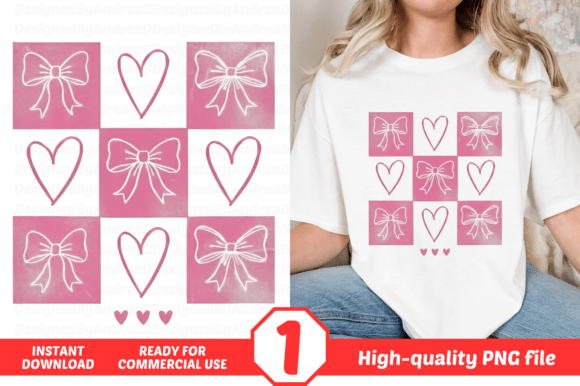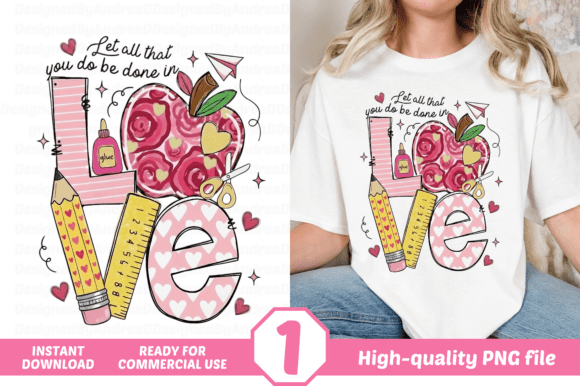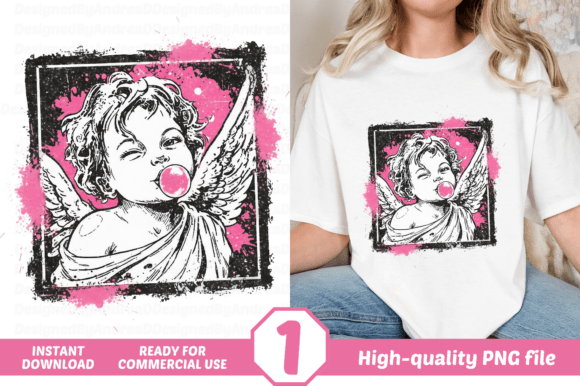
Mastering Cupid, Valentine´s Day Designs for Professional Results
The rush to prepare for February 14th often leads creators and business owners to grab the first Cupid, Valentine´s Day graphic they find online. While the intention is to save time, this haste frequently results in pixelated prints, licensing headaches, or designs that simply do not resonate with the intended audience. Whether you are a seasoned entrepreneur expanding your print-on-demand store or a hobbyist creating personalized cards for family, understanding the nuances of digital assets is crucial. The difference between a product that sells out and one that gathers dust often lies in the details of the file you choose and how you apply it.
At its core, a Cupid, Valentine´s Day design represents more than just a cherub with a bow; it is a versatile asset meant to evoke emotion and drive engagement. These graphics are the foundation for stickers, t-shirts, frame illustrations, scrapbooks, and wall decorations. However, many users overlook the technical specifications that ensure these images look professional across different mediums. A common misconception is that any image labeled "high quality" will work for sublimation or large-format printing. In reality, without the correct resolution and file format, even the most charming illustration can appear blurry and amateurish when transferred to fabric or paper.
Avoiding the Resolution Trap
One of the most frequent errors creators make is ignoring DPI (dots per inch) requirements. When browsing for a Cupid, Valentine´s Day PNG, it is easy to assume that an image looking crisp on a smartphone screen will translate well to a physical product. This is rarely the case. Standard web images are often 72 DPI, which is sufficient for screens but disastrous for printing. For sublimation designs, especially those intended for t-shirts or mugs, you need a minimum of 300 DPI at the actual print size.
If you attempt to stretch a low-resolution file to fit a larger canvas, the software must invent pixels, resulting in a jagged, fuzzy output. This mistake directly affects your brand reputation and customer satisfaction. Imagine printing a batch of Valentine's shirts only to find the edges of Cupid's wings are blocky. To avoid this, always verify the resolution before downloading. A high-quality download file should explicitly state it includes a PNG at 300 DPI resolution. This ensures that whether you are resizing for a small sticker or a large wall decoration, the lines remain sharp and the colors vibrant.
The Critical Importance of Transparent Backgrounds
Another overlooked detail is the file format itself. Many beginners download JPEGs instead of PNGs, not realizing the implications for their workflow. A JPEG comes with a solid white background that cannot be easily removed without leaving a halo effect around the design. When sublimating onto colored shirts or layering elements in a scrapbook, this white box ruins the aesthetic.
A true Cupid, Valentine´s Day sublimation design must be a PNG with a transparent background. This allows you to place the graphic over any color fabric or paper without unwanted borders. It also gives you the freedom to layer the image with text or other elements seamlessly. If you find yourself spending hours in photo editing software trying to erase a white background, you have likely chosen the wrong file type. Always prioritize PNG files for any project requiring transparency, as this simple choice saves hours of editing time and guarantees a cleaner final presentation.
Licensing and Commercial Use Misunderstandings
Perhaps the most dangerous mistake involves licensing. The excitement of finding a cute design can blind creators to the terms of use. Many free or low-cost downloads are licensed for personal use only. Using these files to create products for sale, such as stickers or printed apparel, can lead to copyright strikes, account bans on marketplaces, or legal action.
Before integrating a Cupid, Valentine´s Day graphic into your business inventory, you must read the license agreement carefully. Look for explicit permission for commercial use. Reputable sellers often offer exclusive designs specifically for entrepreneurs to expand their businesses. Taking advantage of these offers ensures you are on solid legal ground. Remember, building a sustainable business requires respecting intellectual property. If a deal seems too good to be true, double-check the usage rights. Investing in properly licensed assets protects your hard work and allows you to scale your operations without fear.
Optimizing for Sublimation and Print
Even with the right file, application errors can occur. Sublimation is a process where heat transfers ink from paper to polymer-coated surfaces. A common pitfall is failing to mirror the image before printing. Since sublimation transfers the image exactly as it appears on the paper, forgetting to flip your Cupid, Valentine´s Day design horizontally will result in reversed text and awkward compositions on the final product.
Additionally, color management is vital. Screens display colors in RGB (light), while printers use CMYK (ink). A bright red on your monitor might print as a dull maroon if not adjusted. Always perform a test print on standard paper before committing to expensive sublimation blanks. Check the alignment and color accuracy. This small step prevents waste and ensures that the romantic reds and soft pinks of your Valentine's collection look exactly as intended.
- Check Resolution: Ensure the file is 300 DPI at the size you intend to print.
- Verify Format: Use PNG files with transparent backgrounds for versatility.
- Review Licensing: Confirm commercial rights if you plan to sell finished goods.
- Mirror Images: Flip designs horizontally before printing for sublimation projects.
- Test Prints: Run a sample on regular paper to check colors and sizing.
Maximizing Versatility Across Projects
The best Cupid, Valentine´s Day assets are those that offer flexibility. A single high-quality design should not be limited to one use case. With a scalable vector-like quality or a high-resolution raster file, you can adapt the same image for multiple revenue streams. Use the graphic to create a set of matching greeting cards, then resize it for a series of die-cut stickers. You might even incorporate it into digital planners or social media content for bloggers and marketers.
Consider the context of your audience. A design that works perfectly on a rugged t-shirt might need color adjustments for a delicate wedding invitation. By choosing files that are easy to re-size with different software, you empower yourself to experiment. Do not limit your creativity to a single product type. The ability to pivot and apply one asset across various mediums—from frame illustrations to wall decorations—is what separates successful creators from those who struggle to find traction.
Ultimately, success with Valentine's Day designs comes down to preparation and attention to detail. By avoiding common pitfalls regarding resolution, file formats, and licensing, you set yourself up for efficiency and quality. Take the time to evaluate your resources before the holiday rush hits. When you equip yourself with the right tools and knowledge, you transform a simple download into a profitable, professional venture that brings joy to your customers.